GR_ Agulo, The Echo of Silbo (the whistled language of La Gomera)

7 Hours 30 Minutes

Combo de varias rutas para descubrir el norte de La Gomera: Abrante, el barranco de La Palmita y Agulo.

  • No
  • Guided
  • Spanish, French, English
  • Hotel or starting point of the first itinerary
  • Yes
  • 6 hours (excluding transport)

Agulo, short hikes and introduction to silbo

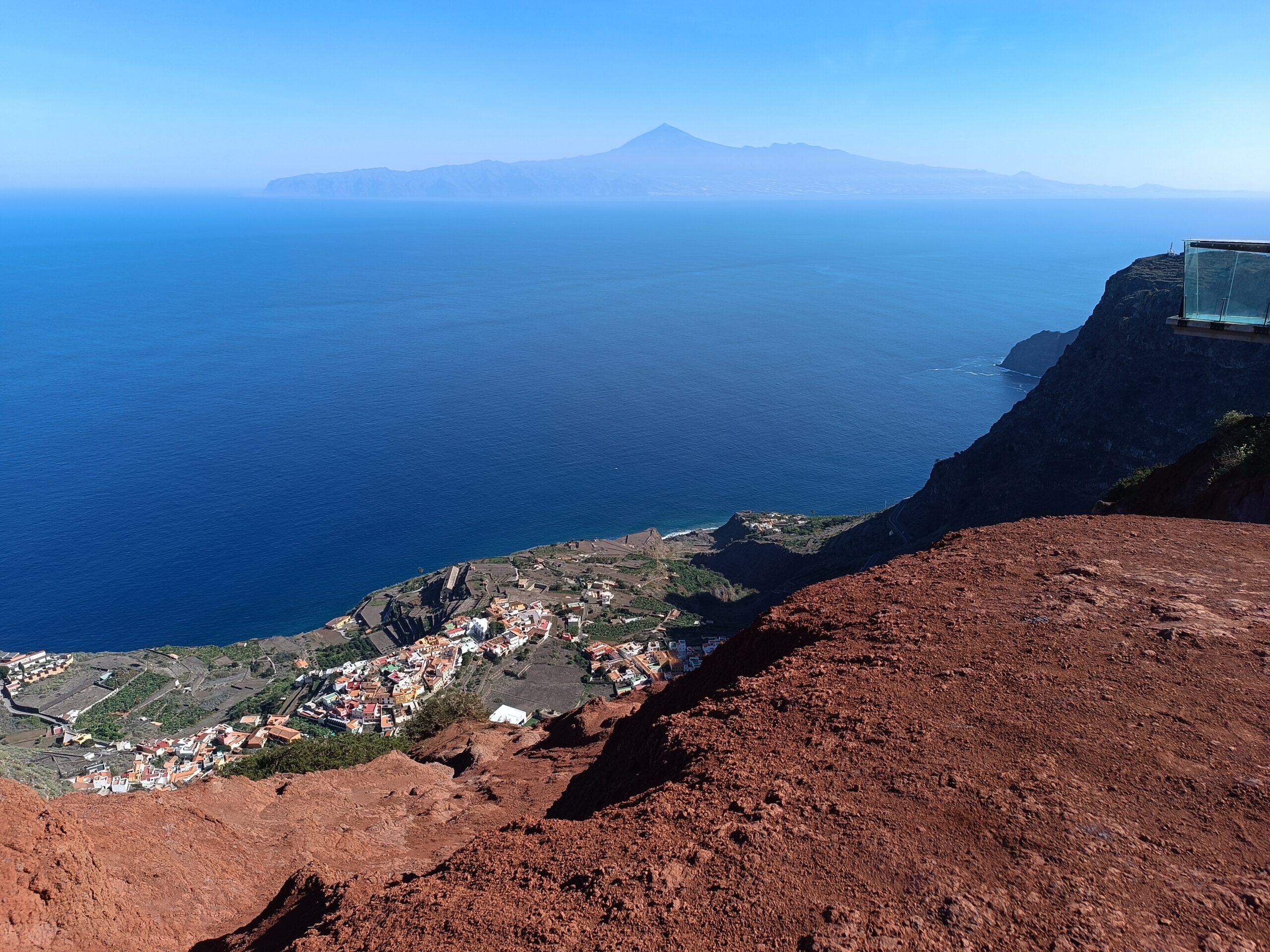
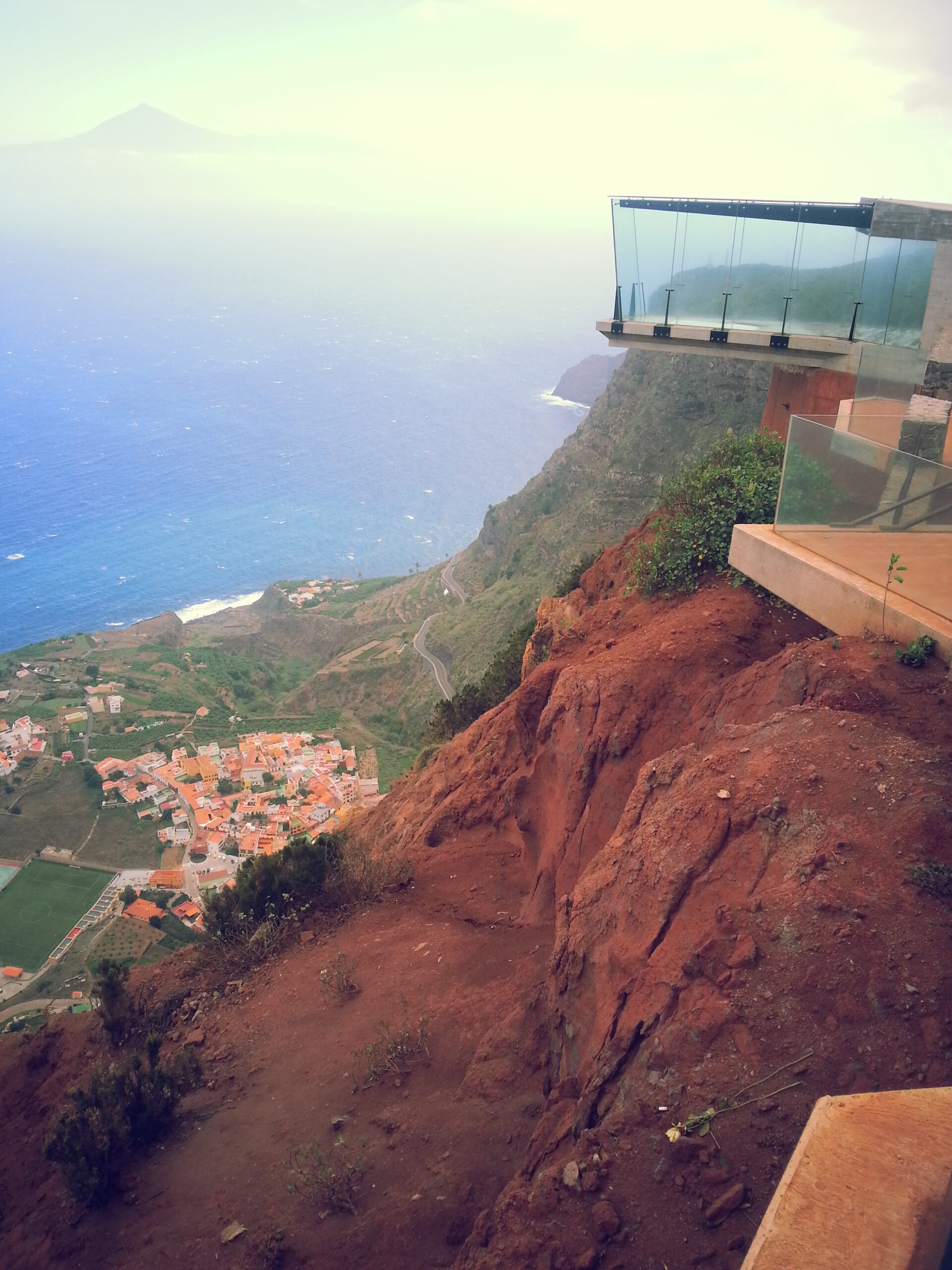
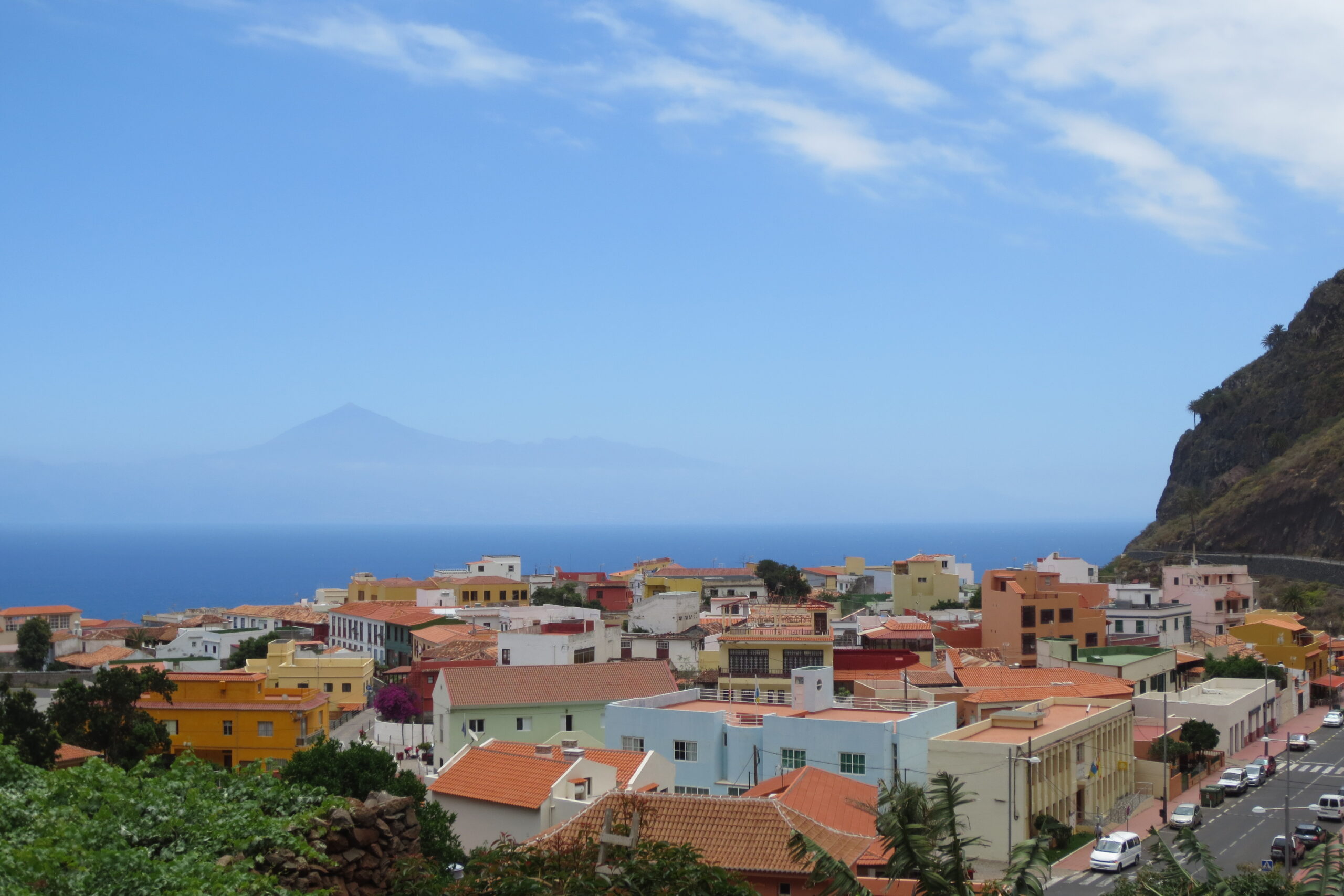
This experience offers the chance to discover Agulo from two complementary perspectives. First from above, walking toward the Mirador de Abrante, where the village appears like a mosaic suspended between cliffs and ocean. Then from within, exploring its historic centre, its crops, and its monumental terraces to understand how its inhabitants transformed a rugged territory into a unique human landscape.

The day concludes with a demonstration and introduction to the Silbo Gomero, led by a local teacher — a privileged moment that provides an authentic connection with the cultural identity of the village.

Itinerary

  • First
    interpretive
    route

    5 km route

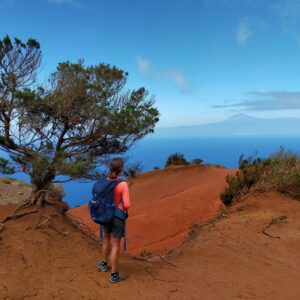
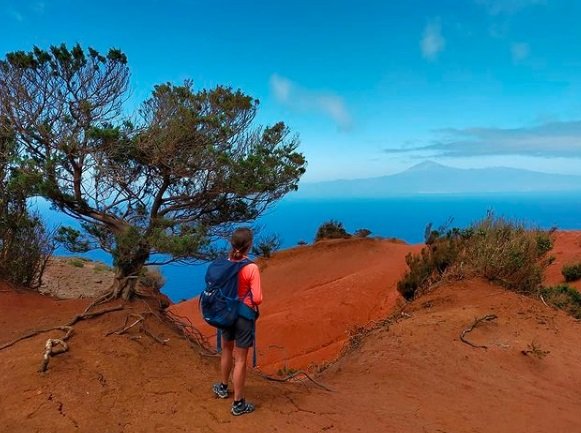
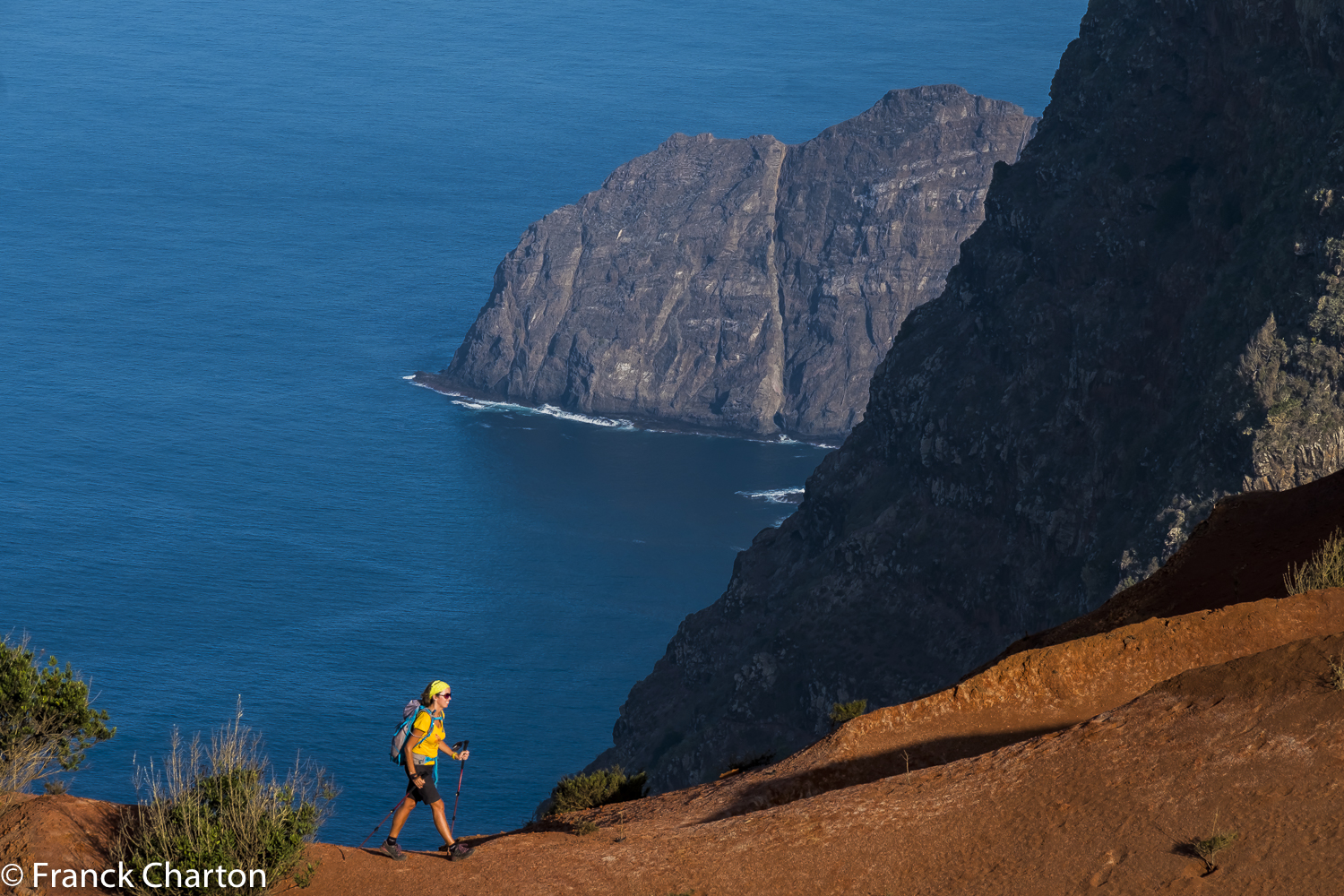
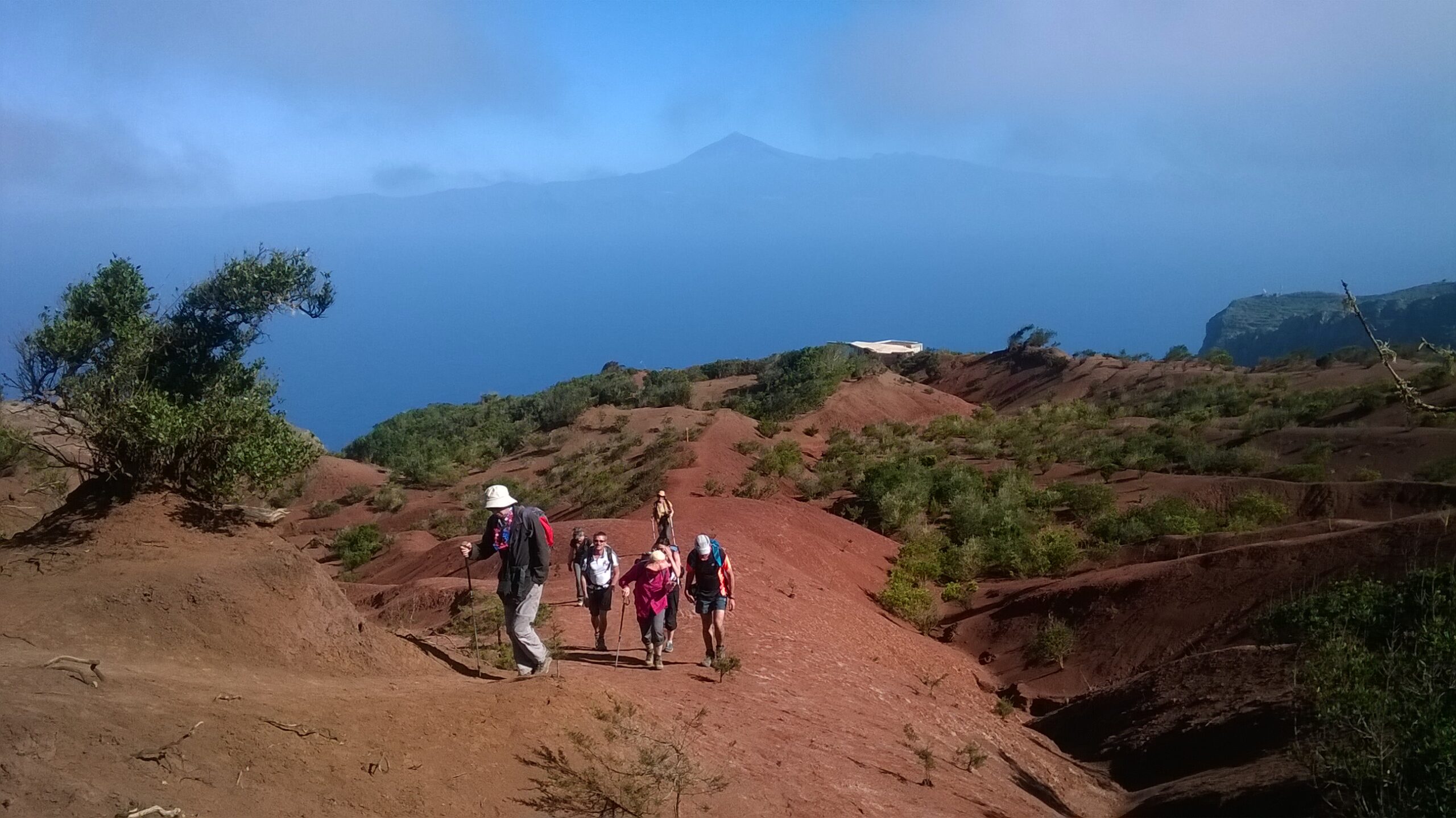
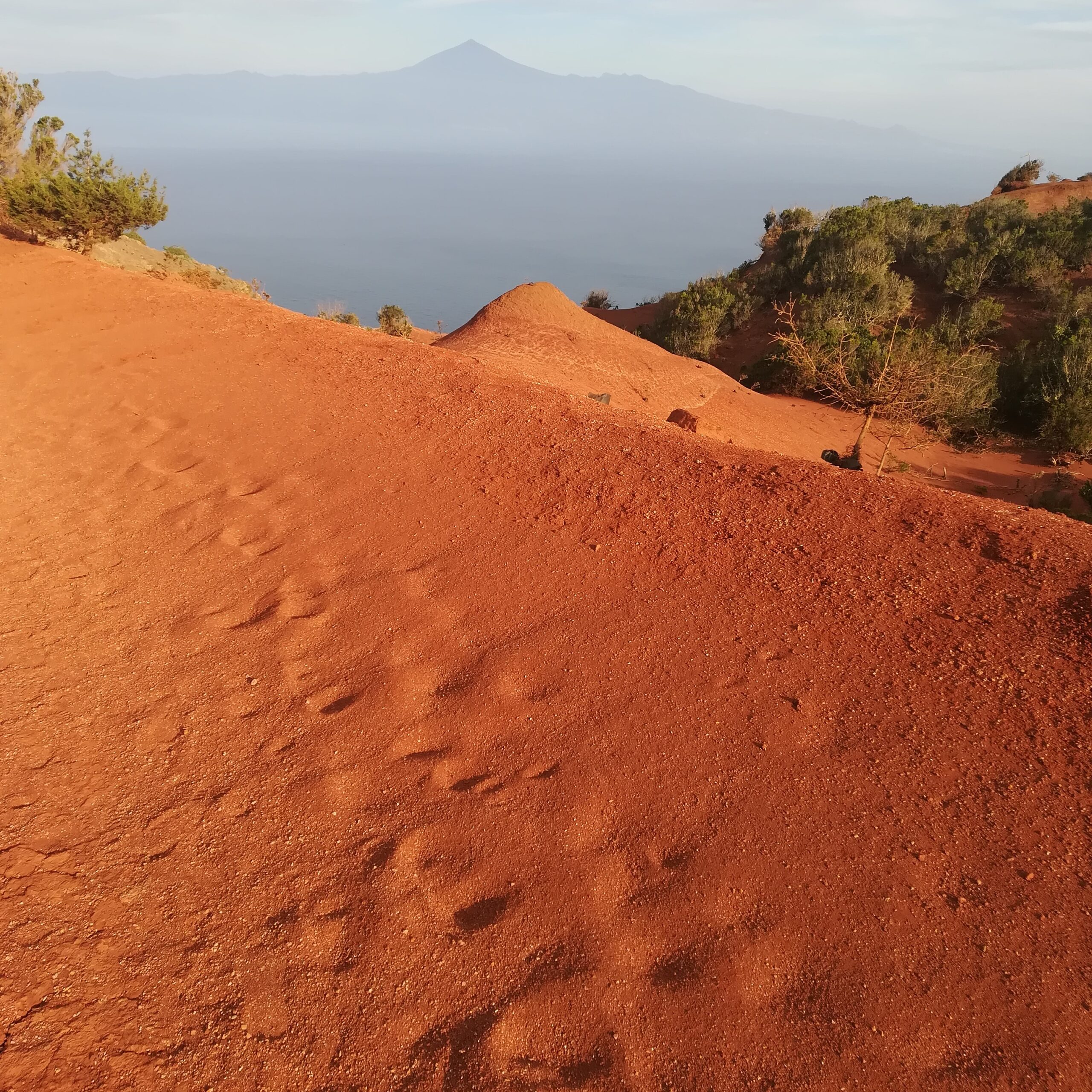
    From the Visitor Centre, we begin the descent along a panoramic trail that opens onto one of the most emblematic landscapes in northern La Gomera. As we walk, the Mirador de Abrante gradually appears ahead of us like a balcony suspended above the ocean, offering a spectacular view of Teide, the deep blue of the Atlantic, and the natural amphitheatre of Agulo, where geology, agriculture, and traditional architecture come together.

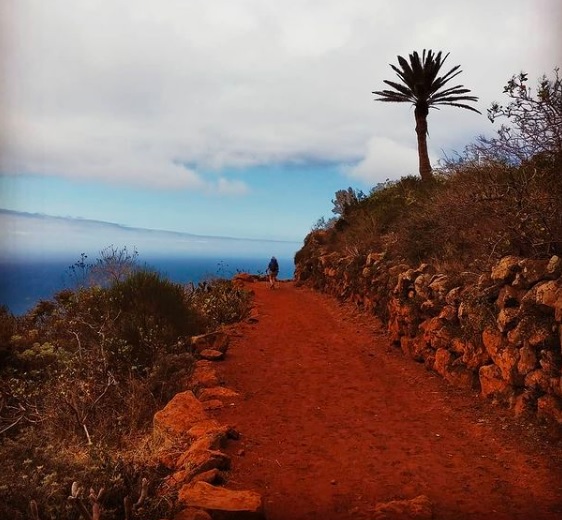
    Throughout the route, we interpret the contrasts of the relief, the volcanic forms that sculpt the valley, and the erosion processes that have shaped this amphitheatre over millions of years. We also observe the vegetation adapted to the slopes: from thermophilous species to plants resistant to drought and wind, each occupying its place according to light, humidity, and the inclination of the terrain.

    This section allows us to read the landscape like an open book: the geological history beneath our feet, the human imprint in the agricultural terraces, and the biodiversity that thrives in an environment that appears abrupt at first glance.

    People who have difficulty walking can easily shorten this itinerary.

  • Garajonay
    National
    visitor
    center

    Visit the Juego de Bolas Interpretation Centre

    After arriving at the Visitor Centre, we take time to explore its thematic rooms, a space designed to understand the natural and cultural essence of Garajonay National Park before immersing ourselves in the territory.

    The visit begins in the geology room, where we interpret the volcanic origin of La Gomera and the processes that shaped its relief: ancient lava flows, deep erosion, amphitheatre‑shaped ravines, and the absence of recent volcanism — a distinctive feature compared with the rest of the archipelago. Models and panels help visualise how this singular landscape was formed.

    We then continue to the botany section, which presents the island’s extraordinary plant diversity. Here we explore the evolution of the laurel forest, a relict ecosystem that survived past climate changes and is now one of Europe’s most valuable habitats. We identify key species, their adaptations, and their role in the dynamics of the humid forest.

    The visit also includes the ethnography room, which explores the historical relationship between Gomero communities and their environment. Through traditional objects, photographs, and testimonies, we understand how terraced agriculture, livestock farming, craftsmanship, and land use have shaped the cultural landscape that we will later discover outdoors.

    The Visitor Centre acts as a gateway to the National Park, offering an overview that enriches the experience to come on the trail. After this introduction, the landscape we will observe from the Mirador de Abrante takes on a new dimension: it is no longer just a spectacular backdrop, but a territory filled with natural, human, and ecological history.

  • Silbo
    and
    lunch
    break

    Silbo (whistled language) and lunch break

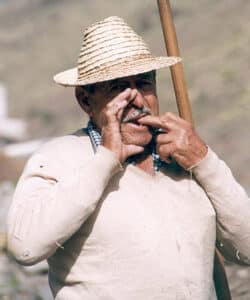
    The day continues with a unique moment: a demonstration and introduction to the Silbo Gomero led by a local teacher, a guardian of a tradition that has been part of La Gomera’s cultural heritage for centuries.

    We gather in a quiet corner of the village, where the teacher explains how this language emerged as an ingenious adaptation to the territory, allowing long‑distance communication across ravines and slopes. Before beginning, we listen to a few traditional silbos, echoing through the landscape like an ancient resonance that still connects the community to its history.

    The teacher introduces the basic techniques: hand position, breath control, and tonal variations that transform words into whistles. Participants can then try producing their first sounds, guided step by step to understand how syllables are formed and how messages are modulated.

    More than a simple demonstration, it is a moment of cultural transmission, where landscape, memory, and language intertwine. The Silbo becomes a gateway to Gomero identity — a way to understand how the territory has shaped the life and communication of its inhabitants.

    Lunchtime offers two flexible options to suit the group’s preferences. Those who wish may bring their own picnic or purchase one directly in the village before starting the second itinerary. Agulo’s quiet squares and open views make it an ideal setting for a simple outdoor lunch.

    For those who prefer a local option, it is possible to eat in a traditional restaurant, where typical Gomero dishes are prepared with local products. It is an opportunity to discover the island’s rural gastronomy and support small village businesses.

  • Second
    interpretive
    route

    3 km route

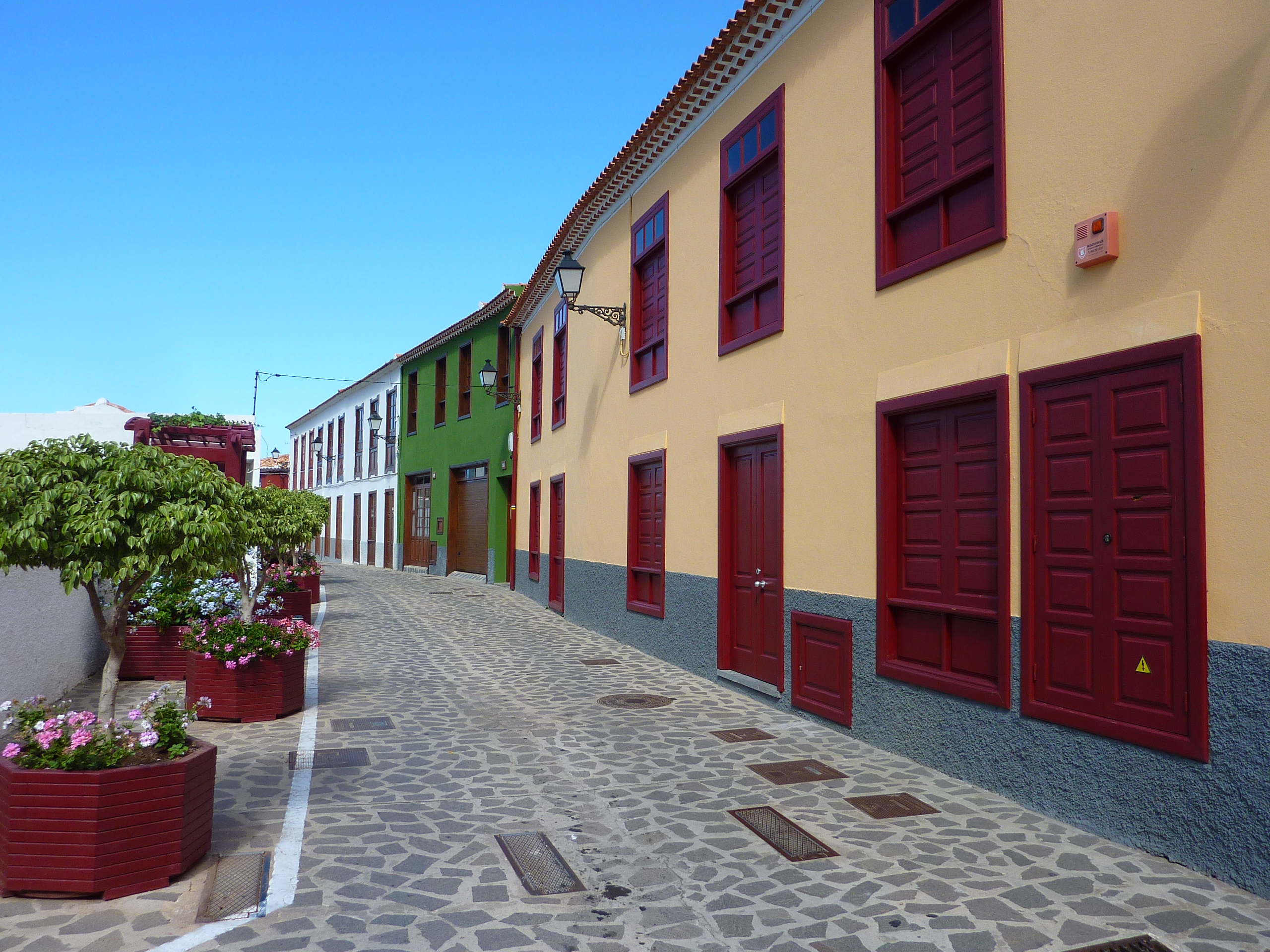
    Walk through Agulo’s historic centre

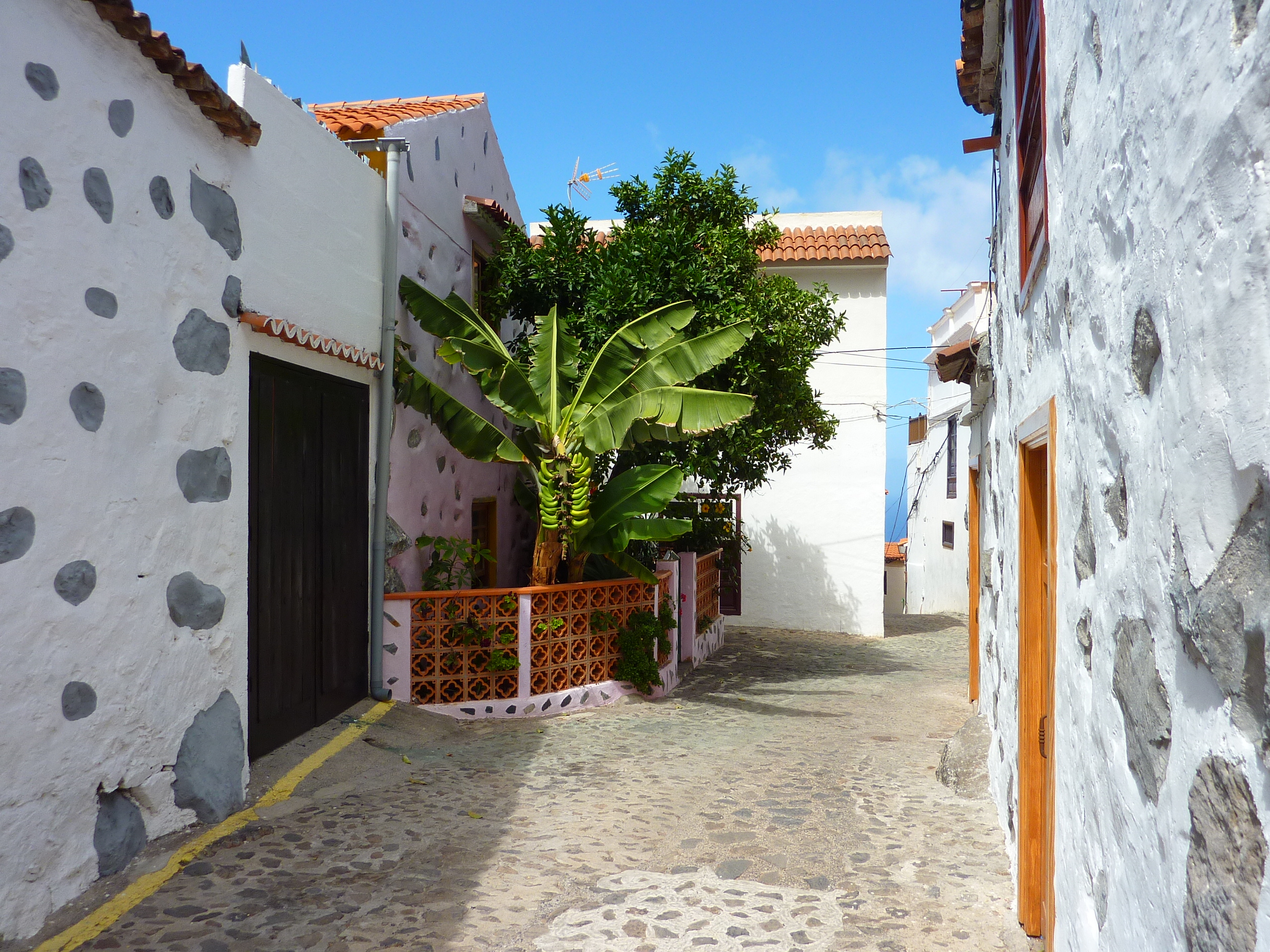
    As we wander through the village’s narrow streets, we interpret its traditional architecture, with stone houses, tiled roofs, and façades that preserve the rural Gomero aesthetic. We discuss how the orientation of the homes, the materials used, and the internal layout respond to a humid climate and steep terrain.

    Agulo is also a true agricultural mosaic. Along the way, we observe avocado, banana, mango, and papaya trees, as well as small family gardens that coexist with traditional orchards and old fruit trees. We interpret how these crops arrived on the island, how they adapted to the northern climate, and the role they play today in the local economy.

    Monumental terraces and human adaptation

    One of the most impressive elements of Agulo’s cultural landscape is its monumental terraces, genuine works of traditional engineering. We walk alongside some of the highest terraces on the island — walls several metres tall, built stone by stone without cement, fitted with a precision that has withstood centuries of rain and landslides.

    We interpret how these terraces made it possible to cultivate an extremely steep territory, transforming a volcanic amphitheatre into a unique agricultural landscape in the Canary Islands.

    Historical heritage: the pescante and the old warehouse

    Throughout the visit, we also explore some of the village’s most important historical features, such as the pescante, a structure once used to load and unload goods from boats at a time when Agulo had no port. This system, together with the old warehouse, was essential for the village’s agricultural trade and its exchanges with the rest of the island and the archipelago.

    These elements help us understand how Agulo, despite its geographical isolation, maintained an active economic and social life.

    People who have difficulty walking can easily shorten the itineraries.

Included

  • - Certified guide (speaks Spanish, English, and French)
  • - Insurance (accident, rescue, and guide liability)
  • - Transportation service from San Sebastián, Playa Santiago, and Hermigua
  • - The tour is guaranteed with a minimum of 4 people.

Excluded

  • - Food
  • - Anything not mentioned in the "Included" section

Cancellation policy

Jusqu'à 48 heures avant l'excursion : remboursement intégral.

Moins de 48 heures avant l'excursion : remboursement de 50 %.