
One of my favorite hikes both in terms of landscapes and botanical interest. Throughout the walk, we will venture through open spaces where we can admire the entire Hermigua Valley, discover waterfalls, and immerse ourselves in a beautiful forest! There are many things to share… It will be a pleasure to explain to you the reasons behind these landscapes, the history of these places, the incredible botanical value of the ecosystems, anecdotes, and many other things…



Hike N2_Garajonay&Hermigua
6 Hours-
Yes
-
Spanish, French, English
-
Hotel or at the start of the route
-
Optional
-
5:00/6:00
-
Optional
Hike N2_Garajonay & Hermigua (intermediate level)
Hiking Itinerary – The Best of La Gomera
-
Starting
PointStarting Point
-
Hike
Experience details
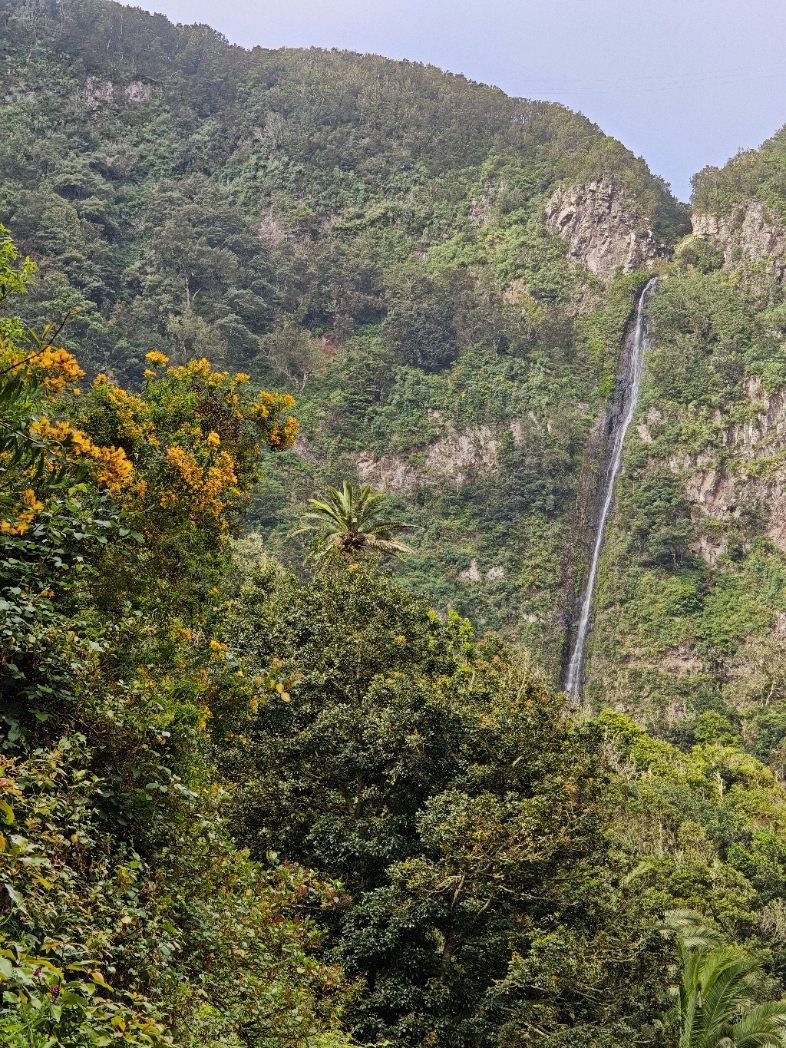
The route begins in the upper part of the Hermigua ravine, offering wide views across the valley stretching all the way to the coast. Along the way, hikers cross ancient farming terraces, remnants of the subsistence agriculture once practiced by local inhabitants. The vegetation here belongs to the thermophilic woodland, with species your guide will help you identify.
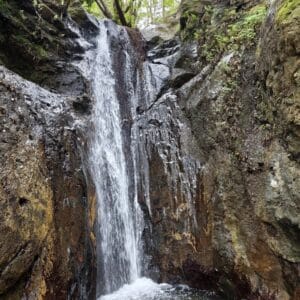
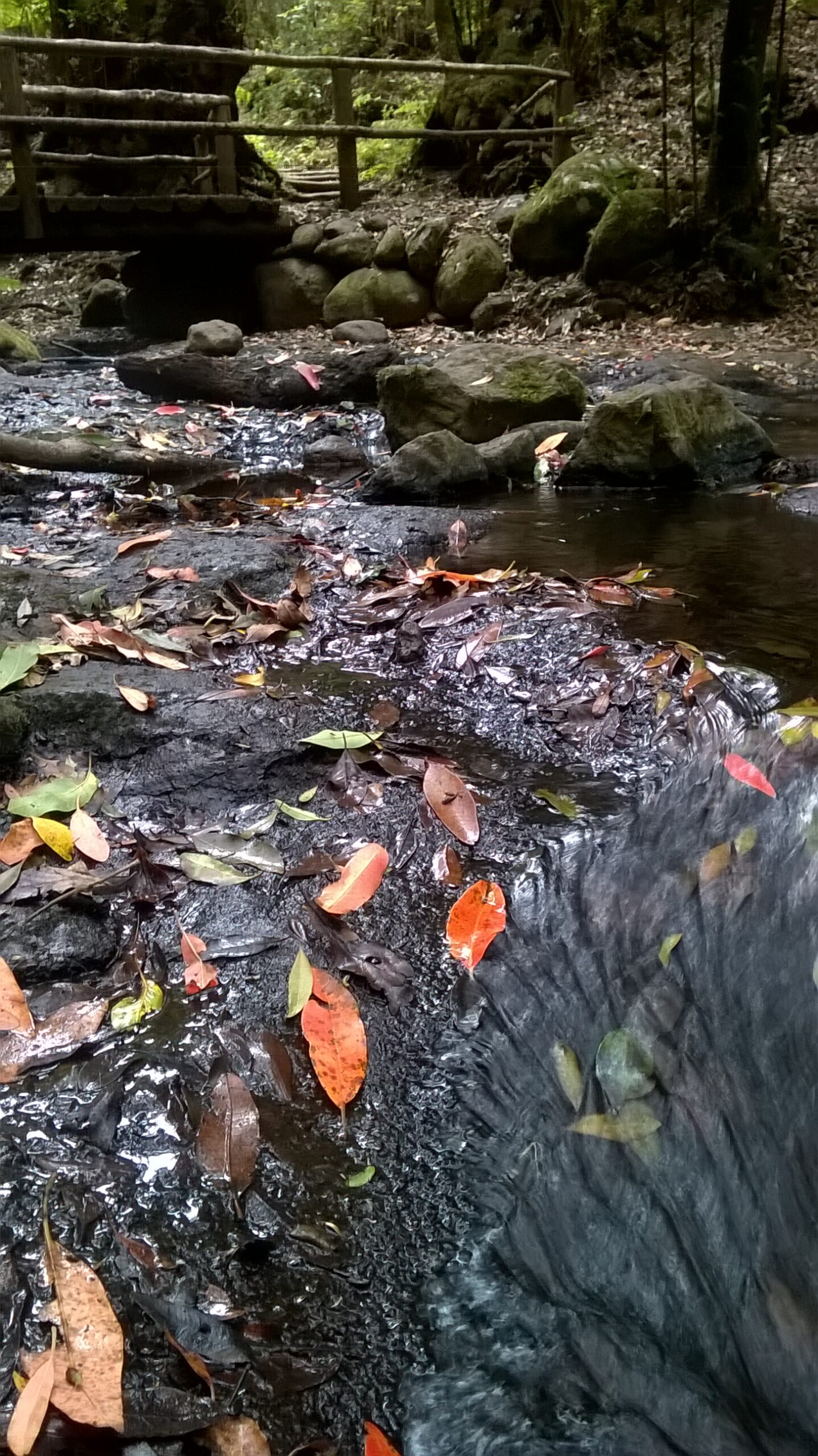
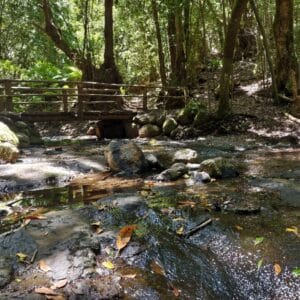
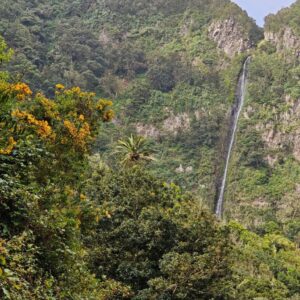
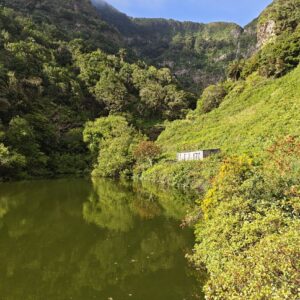
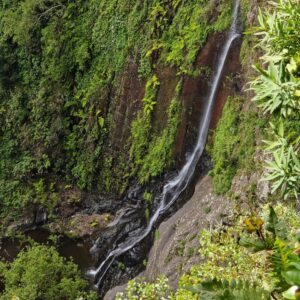
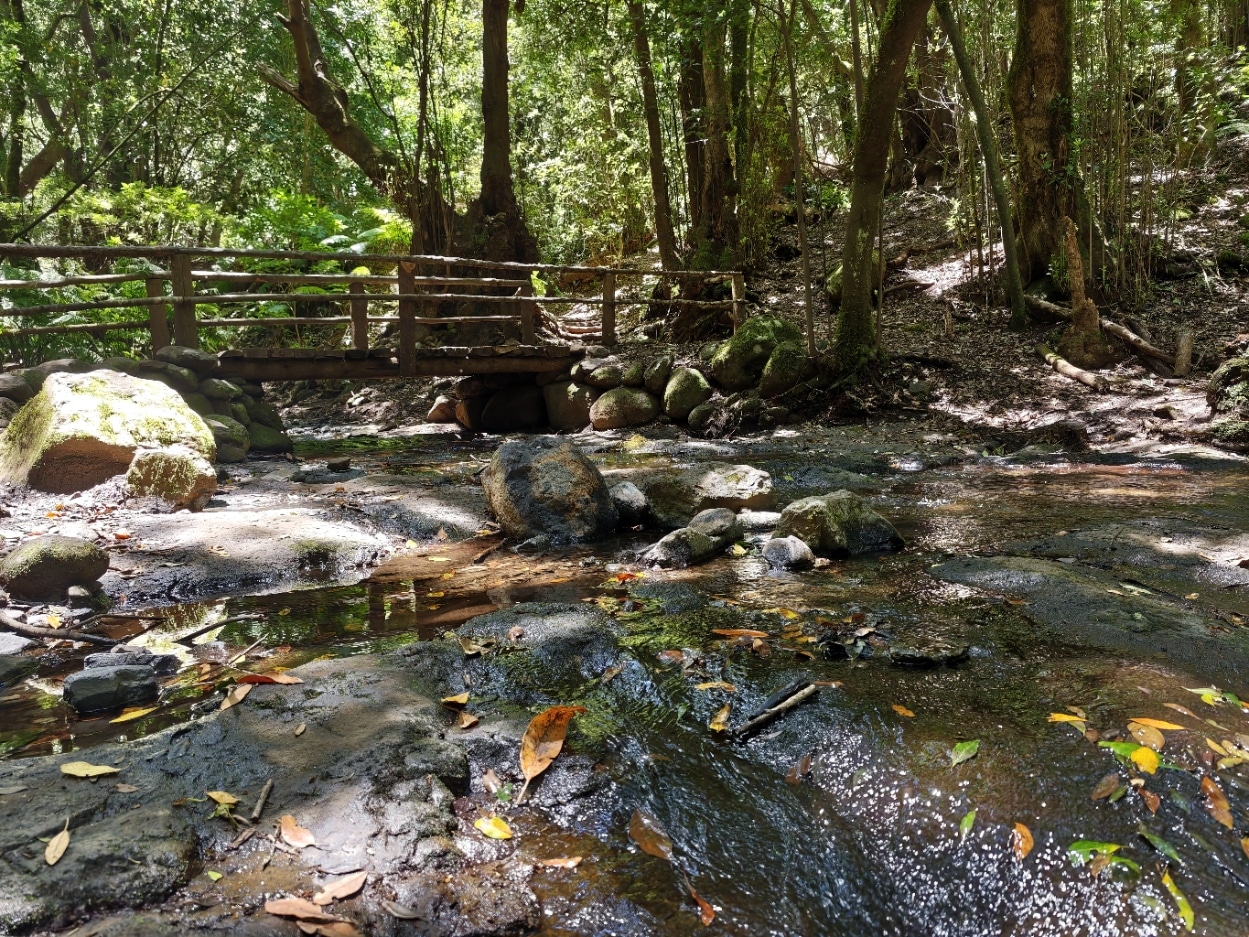
The panoramas reveal banana plantations and the phonolitic pinnacles Pedro and Petra, distinctive rock formations that dominate the scenery. The trail also passes a reservoir collecting rainwater, a testament to the ingenuity with which the island’s terrain has been harnessed to ensure irrigation for crops. Further on, the itinerary enters La Gomera’s wettest zone, where the Los Tiles reservoir lies, accompanied by a small waterfall and a stream flowing through the landscape.
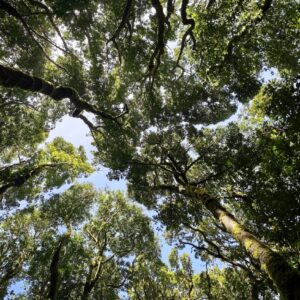
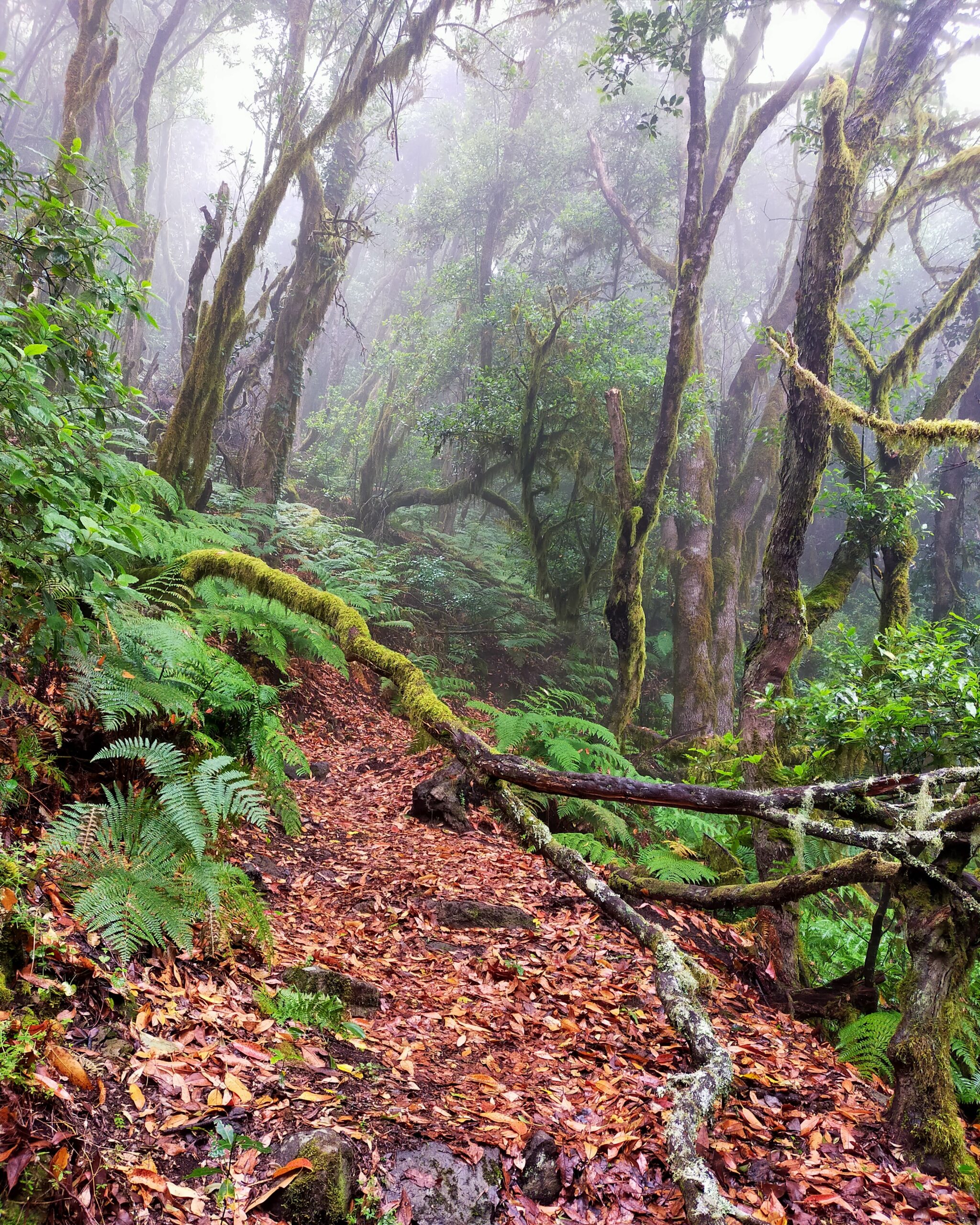
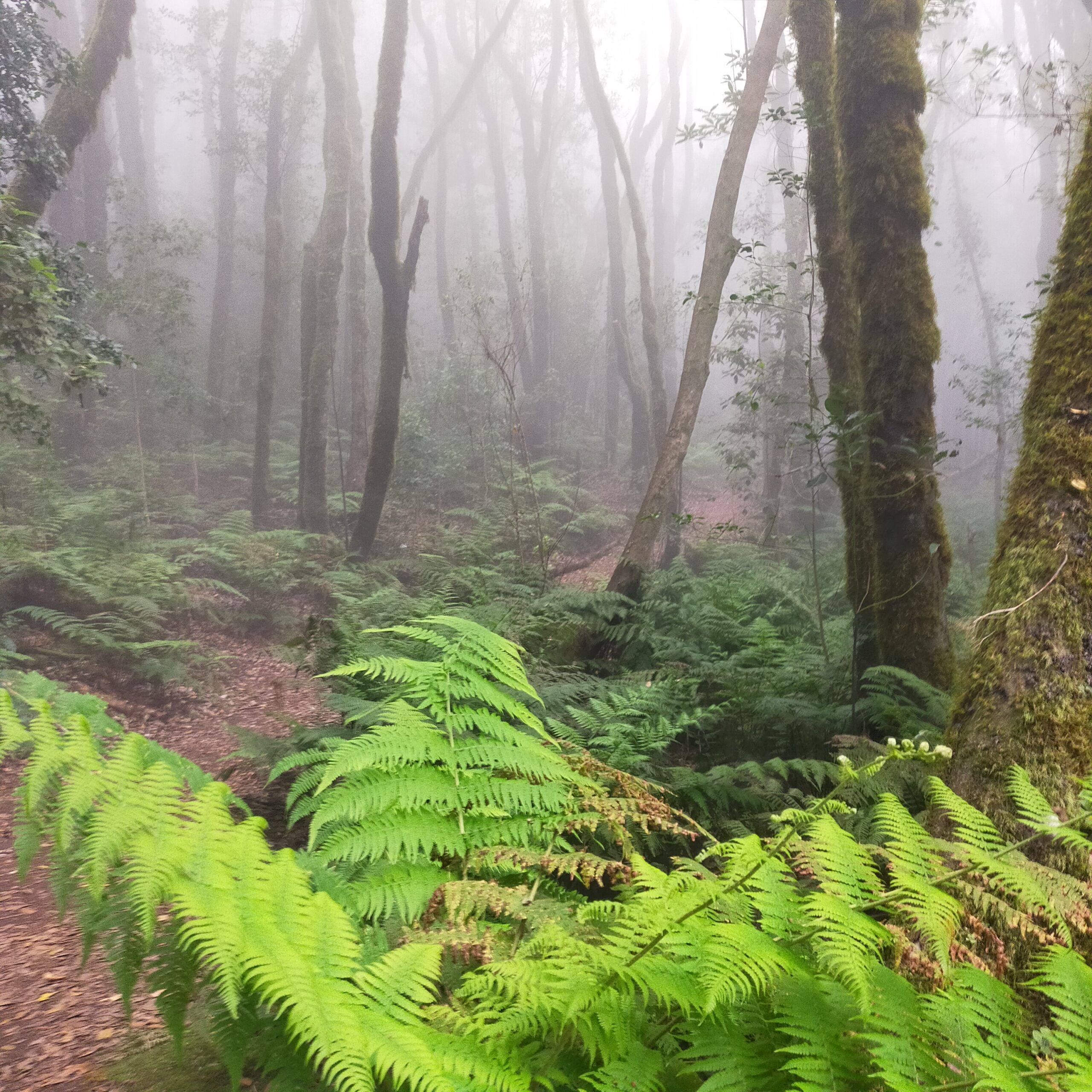
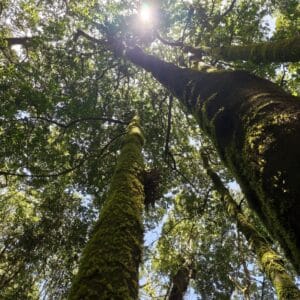
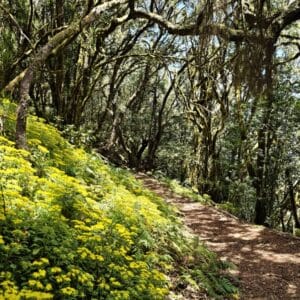
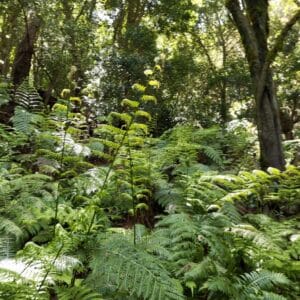
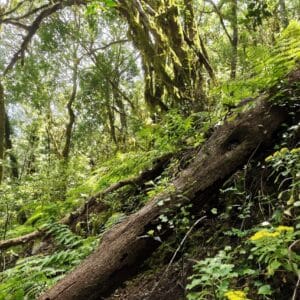
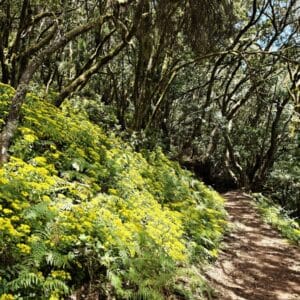
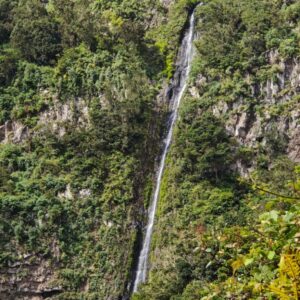
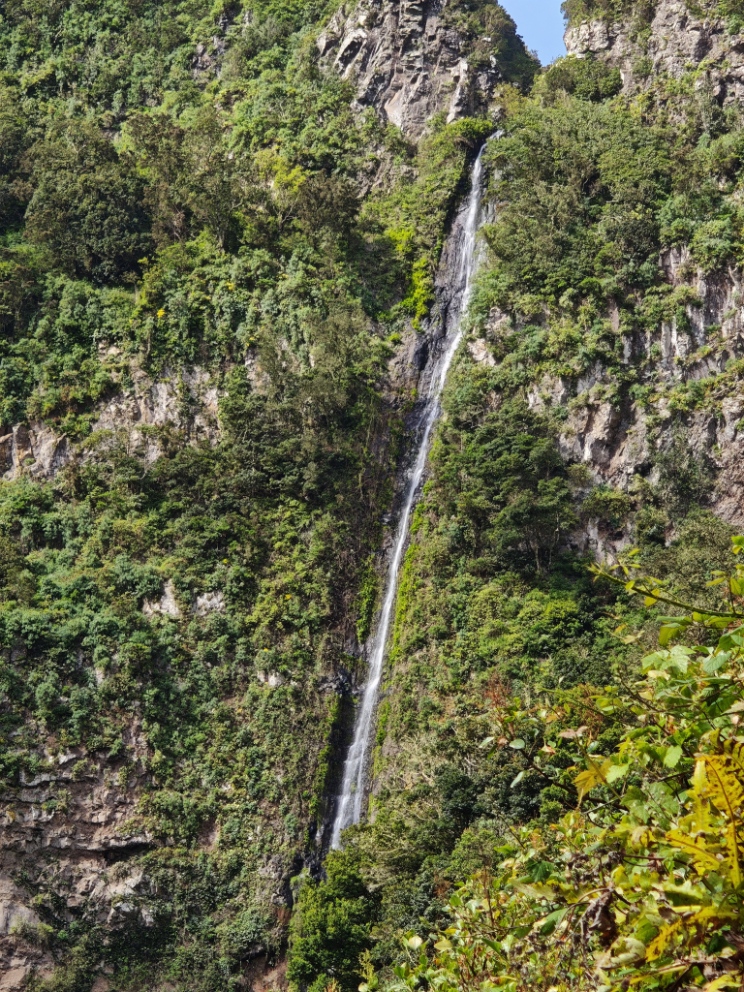
One of the most spectacular points is the El Cedro waterfall, plunging nearly 250 meters. This is the habitat of the paloma rabiche, an endemic species of the Canary Islands and emblem of La Gomera. The path then climbs into the laurel forest, with its towering trees, representing an ecosystem unique in Europe.
This forest is considered a remnant of those that once covered northern Africa and southern Europe during the Tertiary period. With the guide’s help, visitors can better understand the species that compose it and the ecological value it holds. The hike thus combines cultural, historical, and natural aspects, revealing both Hermigua’s agricultural past and the environmental richness of Garajonay National Park.
Elevation gain: +550m & -550m
Km: 12
Walking time: 4h/5h
Duration of the excursion: 6h/7h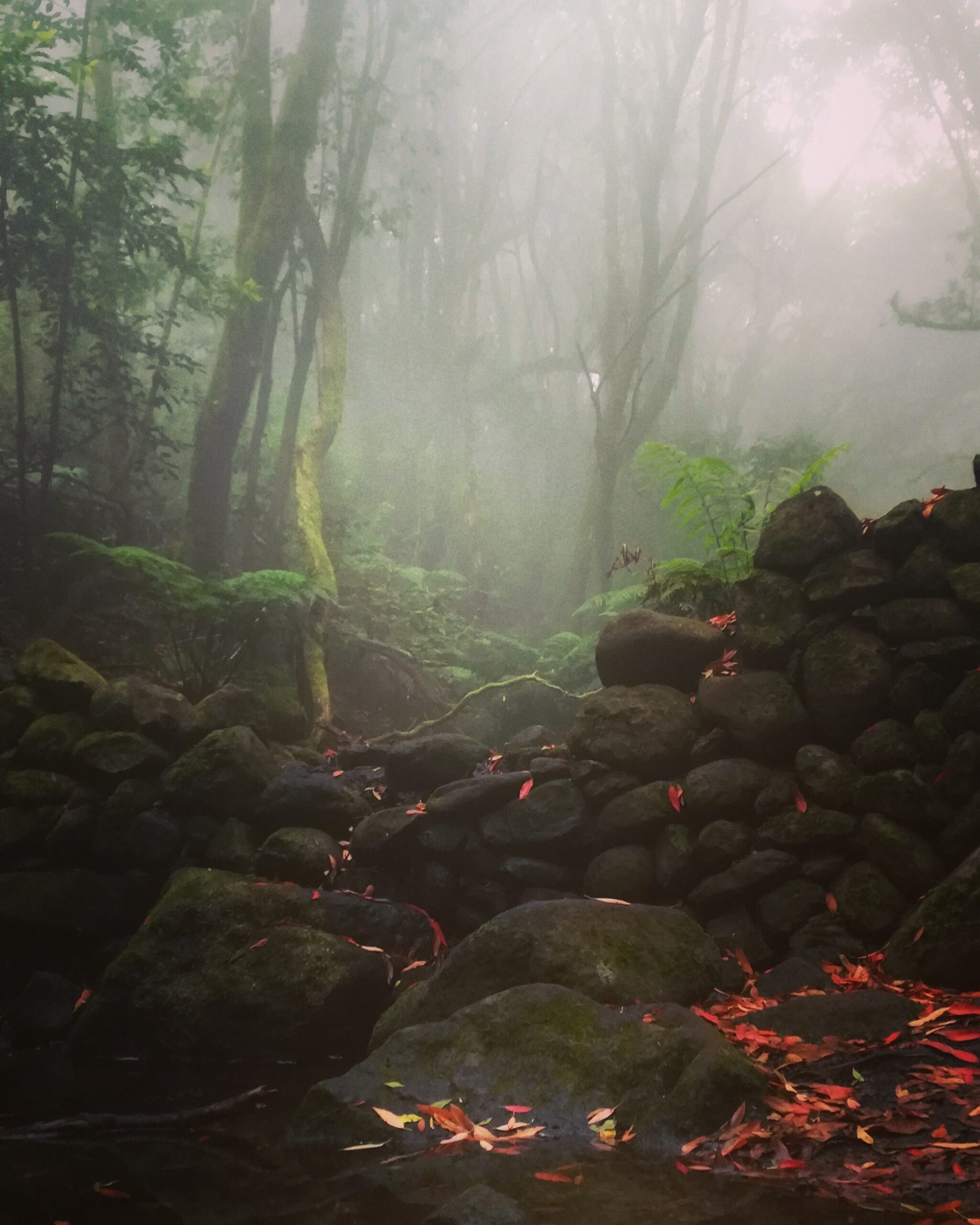
 Estadísticas de la ruta
Elevation gain: +550m & -550m
Km: 12
Walking time: 4h/5h
Duration of the excursion: 6h/7h -
Ending
PointEnding Point
Included
- - Certified guide (speaks Spanish, English, and French)
- - Insurance (accident, rescue, and guide's liability)
- - Optional transportation service: €15/person
- - The tour is guaranteed with a minimum of 3 people for group tours.
- - The tour is guaranteed with a minimum of 2 people for private tours.
Excluded
- - Anything not listed under "included"
Cancellation Policy
- Up to 48 hours before the excursion: Full refund of the excursion.
- Less than 48 hours before the excursion: 50% refund of the excursion.